What is a Cherry Picker?
Definition and Purpose
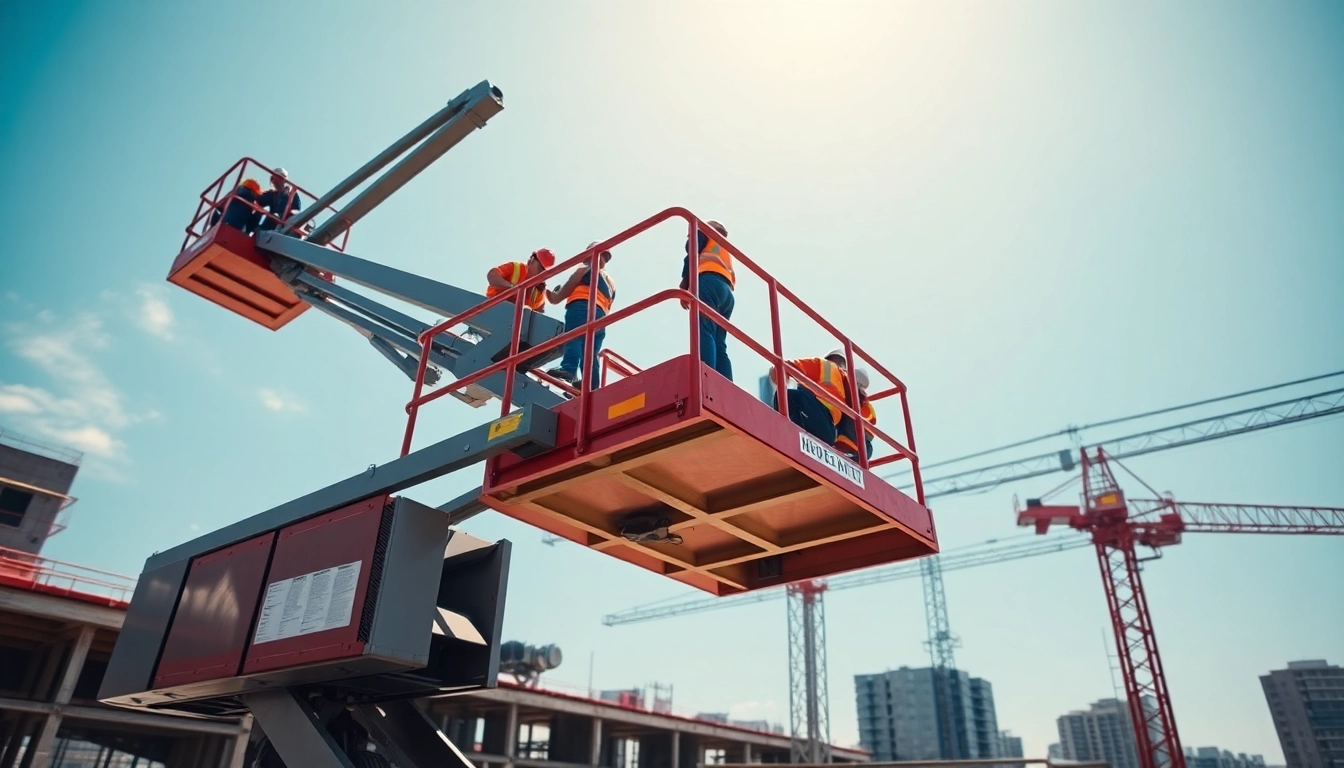
A cherry picker, also known as an aerial work platform, is a specialized mechanical device designed to raise personnel and equipment to elevated areas. Its primary function is to provide temporary access for individuals working at heights that are otherwise difficult to reach safely. Whether it's performing maintenance on streetlights or setting up decorations for events, the cherry picker is an indispensable tool in various industries.
Types of Cherry Pickers
Cherry pickers come in various configurations, each tailored to specific applications. The most common types include:
- Telescopic Boom Lifts: These cherry pickers extend vertically and horizontally, making them ideal for reaching over obstacles.
- Articulated Boom Lifts: These feature a jointed arm, allowing for greater maneuverability and versatility.
- Scissor Lifts: These offer vertical lifting capability, perfect for indoor tasks where space is limited.
- Towable Cherry Pickers: Smaller and easily transportable, often suitable for light-duty applications.
How Cherry Pickers Work
The functioning of a cherry picker is based on hydraulic systems. The user activates the lift via controls located in the bucket or on the platform. Hydraulic fluid is pumped into cylinders that generate the force necessary to elevate the platform, allowing for precise positioning. Additionally, most models feature stabilizing arms to enhance safety during operation.
Key Features of Cherry Pickers
Safety Mechanisms
Given the nature of their work, cherry pickers are equipped with numerous safety features that protect operators and personnel below:
- Fall Protection Systems: Safety harnesses and guardrails are standard to prevent falls from the platform.
- Stabilizers: These ensure that the cherry picker remains steady during use.
- Emergency Lowering Mechanism: In case of hydraulic failure, most cherry pickers have manual lowering systems to bring the platform down safely.
Lift Capacity and Heights
Lift capacity is a crucial consideration when selecting a cherry picker. They range in capacity, typically from 250 to 1,000 pounds. The height reach can also vary widely, with some models extending to over 100 feet. Understanding the weight requirements and height needed for a project is essential to ensure safety and effectiveness.
Mobility Options
Mobility is an important feature, depending on the work site. Cherry pickers can be equipped with:
- Track Systems: Ideal for rugged terrains.
- Wheeled Systems: Suited for prepared surfaces, providing ease of movement.
- Self-Propelled Models: Allow for quick repositioning without needing to tow.
Applications of Cherry Pickers
Construction and Maintenance
Cherry pickers are frequently used in construction sites for tasks such as installation of heavy equipment, scaffolding, and maintenance of structures. Their ability to provide access at various heights allows workers to perform tasks efficiently, minimizing the need for ladders or scaffolding which can be time-consuming and less safe.
Event Setup and Decoration
During events, cherry pickers are often utilized for hanging decorations, lighting, and sound equipment. Their versatility and range enable event planners to set up elaborate designs that would be impossible otherwise. Operations can be performed quickly, ensuring events run smoothly.
Aerial Photography and Filming
Aerial photography has seen a surge in popularity, and cherry pickers are critical in this industry. They provide stable platforms for photographers and filmmakers to capture wide-angle shots or unique angles, enhancing the quality of visual content. Being able to elevate a camera operator above crowds or landscapes offers a unique perspective that can transform a project.
Choosing the Right Cherry Picker
Factors to Consider
When selecting a cherry picker, several factors must be accounted for to ensure optimal performance:
- Height Requirements: Assess the maximum height necessary for the job at hand.
- Weight Capacity: Evaluate the combined weight of personnel and equipment.
- Terrain and Access: Consider the nature of the work site and its accessibility.
- Expected Use Frequency: Determine whether renting or purchasing is more feasible based on usage frequency.
Rental vs. Purchase
Deciding whether to rent or purchase a cherry picker depends on usage patterns. Renting is generally cost-effective for one-time projects, while purchasing makes more sense for companies that require frequent access. Additionally, rental companies typically handle maintenance, which can alleviate additional responsibilities for the user.
Maintenance Requirements
Proper maintenance is vital for ensuring the longevity and safety of a cherry picker. Regular inspections should focus on hydraulic systems, safety features, and mobility components. Preventive maintenance can prevent accidents and costly repairs, ensuring that the equipment remains in good working order.
Cherry Picker Safety Guidelines
Pre-Operation Inspections
Before operating a cherry picker, comprehensive pre-operation inspections must be conducted. This includes checking hydraulic systems, ensuring that safety features are functional, and verifying the stability of the equipment. Operators must be vigilant in assessing any potential hazards on the work site before commencing operation.
Operator Training and Certification
All personnel operating cherry pickers should undergo professional training and certification. Proper training not only enhances safety but also equips operators with the skills necessary to handle the equipment effectively. Understanding safety protocols is essential to reduce the risk of accidents during operation.
Common Safety Protocols
Adhering to safety protocols can prevent accidents. Key protocols include:
- Always wear safety harnesses when operating at height.
- Use proper communication tools to maintain contact with ground personnel.
- Ensure that all equipment is rated for the specific tasks and heights planned.
- Be aware of surrounding power lines and potential hazards.
Frequently Asked Questions
1. What is a cherry picker used for?
A cherry picker is primarily used to lift personnel and equipment for safe work at elevated heights, suitable for construction, maintenance, or event setup.
2. How high can cherry pickers lift?
Cherry pickers can reach heights ranging from 30 feet to over 100 feet, depending on the model and configuration.
3. Are cherry pickers safe to use?
Yes, when operated by trained professionals adhering to safety protocols, cherry pickers provide a safe means of elevating people and equipment.
4. How do you maintain a cherry picker?
Maintenance includes regular inspections of hydraulic systems, safety mechanisms, and mobility components to ensure proper functionality and safety.
5. Can I rent a cherry picker?
Yes, cherry pickers are available for rent through various equipment rental companies, ideal for short-term projects.