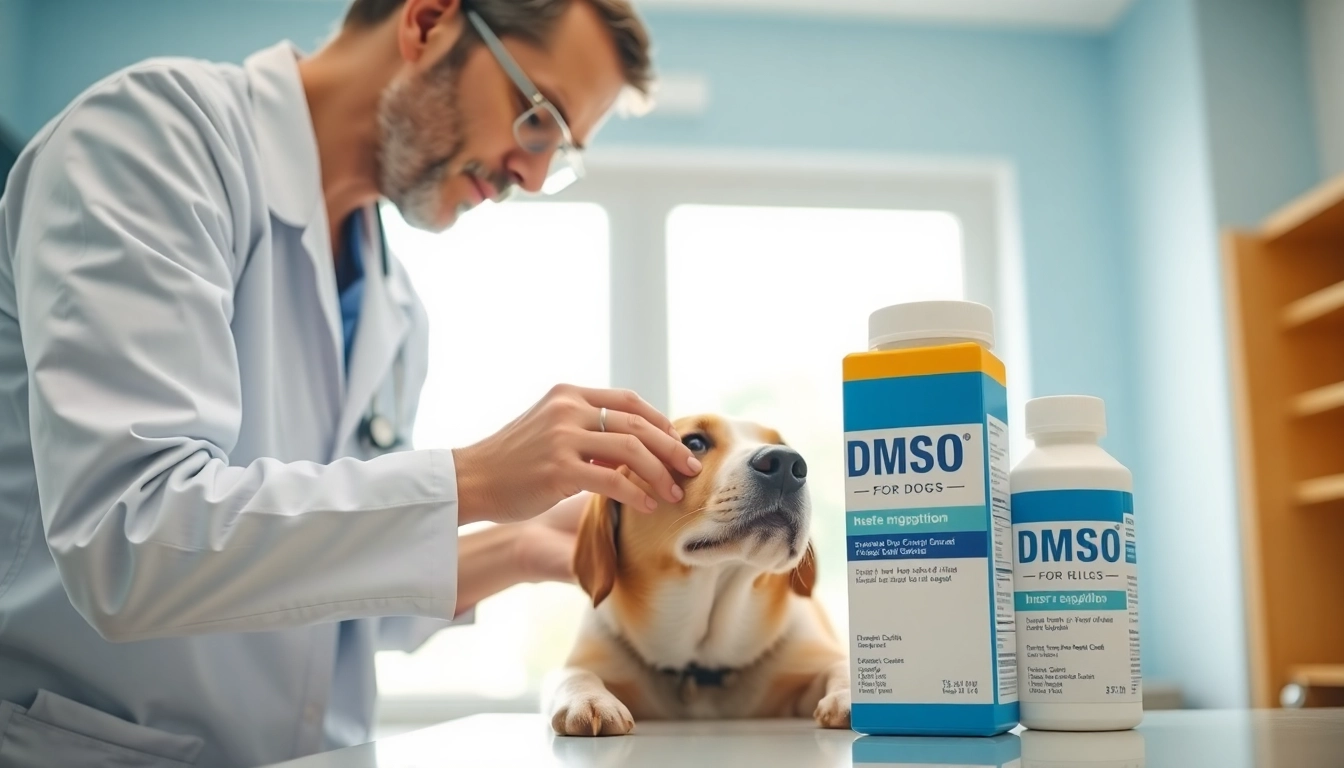
What is DMSO for Dogs?
Introduction to DMSO
Dimethyl Sulfoxide (DMSO) is a powerful solvent and anti-inflammatory agent that has gained popularity in veterinary medicine, particularly for dogs. Initially derived from wood pulp, DMSO is known for its ability to penetrate biological membranes. This unique property allows it to carry other drugs through the skin, enhancing their effectiveness. Its application revolves around alleviating pain, reducing inflammation, and promoting healing in dogs suffering from various conditions. Employed both as a topical solution and an injectable treatment, the effectiveness of DMSO has garnered attention among veterinarians and dog owners alike, and it’s often recommended as a natural remedy for various health issues. For more information, you can check out dmso for dogs.
How DMSO Works in Dogs
DMSO works through several mechanisms that primarily focus on reducing pain and inflammation. When applied topically, DMSO rapidly penetrates the dog’s skin, entering the tissues beneath and acting directly at the site of injury or inflammation. This quick absorption means that DMSO can deliver therapeutic agents directly to affected areas, significantly enhancing localized treatment. Additionally, DMSO has antioxidant properties that help neutralize free radicals, mitigating cellular injury and promoting recovery. Its anti-inflammatory effects make it effective for conditions like arthritis, muscle injuries, and post-surgical recovery in dogs.
Common Uses of DMSO for Dogs
Veterinarians commonly prescribe DMSO for various conditions affecting dogs:
- Arthritis: DMSO is frequently used to manage osteoarthritis, providing relief from joint pain.
- Skin Conditions: It can treat ailments such as acral lick dermatitis and calcinosis cutis.
- Wound Healing: DMSO's antiseptic properties allow it to help heal skin wounds and promote recovery.
- Muscle Strains: DMSO is often applied to injuries or soreness to reduce inflammation and pain.
Benefits of DMSO for Dogs
Pain Relief and Inflammation Reduction
The primary benefit of DMSO is its pain-relieving properties. By reducing swelling and inflammation, it helps dogs regain mobility and comfort. Studies have shown that dogs treated with DMSO for arthritis experience a marked reduction in pain levels and an improvement in their overall quality of life. In cases of acute injuries, DMSO can assist in quick recovery, allowing pets to return to their regular activities sooner.
Support for Skin Conditions
DMSO can be a game-changer for dogs suffering from specific skin conditions. Its ability to penetrate the skin means that it can quickly deliver therapeutic substances to affected areas. Conditions like chronic infections or skin lesions can benefit significantly from DMSO application. Moreover, its anti-inflammatory properties make it an excellent adjunct treatment for diseases that cause itching or discomfort.
Potential Uses for Joint Health
Many dog owners turn to DMSO for managing joint health concerns, namely arthritis. Research suggests that the anti-inflammatory effects of DMSO can play a role in slowing the progression of joint degeneration and reducing the pain associated with such conditions. Not only can it be used alone, but it is often combined with other treatments to optimize results and improve a dog’s joint function significantly.
How to Use DMSO for Dogs Safely
Dosage Guidelines
The application of DMSO should always follow veterinary guidance. Dosages can vary based on the condition being treated, the dog’s size, and overall health. Typically, DMSO is applied topically every 6 to 12 hours as needed, but total daily doses should not exceed 20 grams. Always start with a small amount and observe how the dog reacts to the treatment. Consulting with a vet before starting any treatment is crucial to ensure safety and efficacy.
Application Techniques
Applying DMSO requires careful attention due to its solvent properties; it can carry other substances through the skin. The area of application should be clean, and hands must be washed thoroughly before and after use. It’s best to apply DMSO using a cotton ball or swab directly to the affected area. Avoid areas that are inflamed or injured, and never apply it to broken skin. Additionally, avoid other topical medications at the same time unless directed by a vet.
Monitoring Your Dog’s Response
Observing your dog after applying DMSO is essential. Look for any changes in behavior, signs of discomfort, or allergic reactions such as excessive licking or swelling. Keeping a journal of your observations can help track progress and any side effects. If adverse reactions occur, discontinue use immediately and consult your veterinarian.
Side Effects and Risks of DMSO for Dogs
Common Side Effects
While DMSO is generally considered safe for dogs, some side effects can arise, including skin irritation, a distinct garlic-like taste or breath odor, and gastrointestinal upset. Most side effects are mild and temporary, but persistent or severe reactions warrant immediate veterinary attention. It's important to monitor your dog’s entire health during treatment.
Who Should Avoid DMSO?
Dogs with certain medical conditions such as liver issues or those that are pregnant or nursing should avoid DMSO. Furthermore, breeds prone to skin hypersensitivity may also experience adverse reactions. Always consult with your veterinarian to ensure DMSO is appropriate for your dog based on its health history and current medications.
What to Do in Case of an Adverse Reaction?
If you suspect an adverse reaction to DMSO, remove the application immediately and rinse the affected area with water. Monitor your dog for any worsening symptoms and contact your veterinarian as soon as possible. Keep a record of what was given, the dose, and the symptoms noted to aid the vet in providing effective treatment.
Frequently Asked Questions about DMSO for Dogs
How often can DMSO be applied?
DMSO can be applied every 6 to 12 hours, but the total daily dose should not exceed 20 grams. Always follow veterinary recommendations.
Can DMSO be used on all dog breeds?
While DMSO is generally safe for most breeds, those with specific health conditions or sensitivities should be assessed by a veterinarian first.
Is DMSO safe alongside other medications?
Consulting with a vet is vital before using DMSO with other medications, as it may interfere with their absorption or efficacy.
How to store DMSO products?
Store DMSO in a cool, dry place, away from direct sunlight and out of reach of pets and children to maintain its effectiveness.
Are there alternatives to DMSO for dogs?
Yes, alternatives include non-steroidal anti-inflammatory drugs (NSAIDs), corticosteroids, and other natural remedies; consult a vet for the best choice.