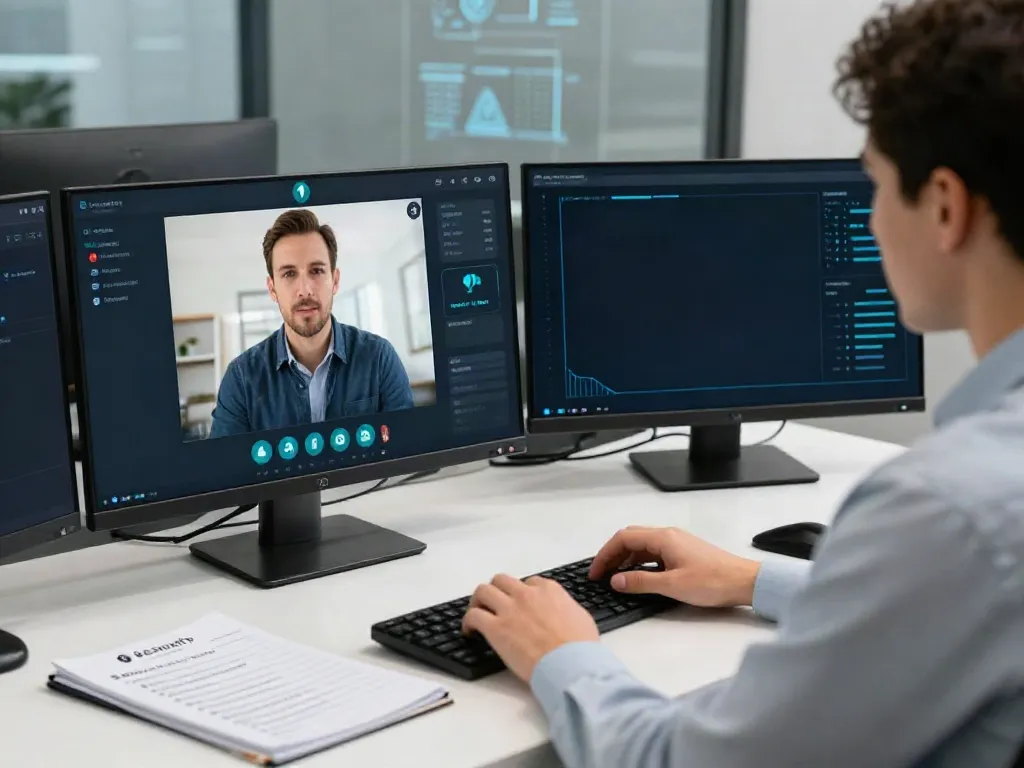
Understanding Deepfake Technology and Its Risks
In recent years, the rise of deepfake technology has raised concerns about the security and integrity of online communications, particularly in the realm of video calls. With advancements in artificial intelligence, deepfakes can create convincingly realistic audio and video manipulations that can deceive even the most vigilant users. This capability presents significant risks not only to individuals but also to organizations, making it crucial to understand the implications and protective measures available. When exploring options, Deepfake protected Online Video Calls provide comprehensive insights into safeguarding communications against these emerging threats.
What Are Deepfakes and How Do They Work?
Deepfakes are synthetic media created using artificial intelligence techniques, particularly deep learning algorithms. These technologies enable the manipulation of audio and visual content to the point that they can impersonate real individuals during live video interactions. At their core, deepfakes utilize Generative Adversarial Networks (GANs) that consist of two neural networks: one generates fake images or videos, while the other evaluates their authenticity, leading to increasingly sophisticated outputs.
The Evolution of Deepfake Technology
Initially, deepfake technology was primarily used for entertainment and novelty, such as in memes or parody videos. However, as the technology has become more accessible, its applications have expanded into more nefarious territories, including scams and misinformation campaigns. The evolution has been rapid, with newer methods like real-time deepfake generation making it easier for cybercriminals to conduct fraudulent activities through video calls.
Identifying Common Deepfake Scams in Video Calls
Some prevalent scams that utilize deepfake technology include impersonation of corporate executives to authorize fraudulent transactions and socially engineered scams targeting vulnerable individuals. Identifying these threats often requires a keen eye for detail, as even subtle discrepancies in a caller's behavior or appearance can signify manipulation. Understanding these scams is essential, especially in a business context, where the stakes can be incredibly high.
Importance of Deepfake Protection in Online Communications
As deepfakes continue to evolve, the importance of securing online communications cannot be overstated. The risks associated with unprotected video calls extend beyond personal safety; they have broader implications for organizations and their reputations. Failure to implement protective measures can result in financial loss, data breaches, and significant reputational damage.
Risks of Unprotected Video Calls
Unprotected video calls expose users to various risks, such as identity theft and financial fraud. Cybercriminals can use deepfake technology to present themselves as trusted contacts, leading to unauthorized access to sensitive information. Additionally, the emotional distress caused to victims of these scams can be profound, further emphasizing the need for robust protection measures.
The Impact of Deepfakes on Business and Personal Security
For businesses, deepfake technology can threaten corporate governance and operational integrity. Executives may face risks of impersonation, where scammers authorize payments or decisions, leading to substantial financial losses. On a personal level, individuals may find themselves victims of social engineering attacks, affecting their privacy and security. Ensuring robust defenses against deepfakes is essential as reliance on digital communication continues to grow.
Why Every User Should Worry About Deepfake Technology
With the increased sophistication of deepfake technology, every user of online communication platforms should be aware of the potential dangers. While phishing scams have been prevalent for years, deepfakes represent a new wave of deception that can compromise even the most secure systems. Understanding and mitigating these risks should be a priority for all internet users.
Best Practices for Secure Online Video Calls
Implementing best practices for secure online video calls can significantly lower the risk of falling victim to deepfake scams. Awareness and proactive measures play crucial roles in enhancing security during virtual meetings.
Implementing Multi-Factor Authentication
One of the most effective ways to safeguard against unauthorized access is through multi-factor authentication (MFA). By requiring more than just a password to access sensitive communication platforms, users can significantly reduce the likelihood of being impersonated or hacked. MFA adds an additional layer of security, making it more challenging for cybercriminals to infiltrate personal or organizational accounts.
Verifying Identities During Video Calls
Verification should be a standard component of any video call, especially when sensitive information is being discussed. Asking for specific details or utilizing pre-agreed code words can help confirm the identity of the person on the other end of the call. Techniques such as asking the caller to perform specific tasks that would be difficult for a deepfake to replicate can also be effective.
Using Secure Communication Platforms
Utilizing a secure and reputable communication platform can significantly diminish the risk of deepfake scams. Choosing platforms that offer end-to-end encryption and advanced security features can help protect conversations from interception and manipulation.
Advanced Techniques to Combat Deepfake Threats
As technology advances, so too must our methods for combating deepfake threats. Here are some of the advanced techniques being employed to enhance the security of online video calls.
AI-Powered Detection Tools and Their Benefits
AI-powered detection tools are becoming increasingly sophisticated, using machine learning algorithms to identify inconsistencies and manipulation in video calls. These tools can analyze facial movements, voice patterns, and even the background for signs of tampering, providing an additional layer of verification during video interactions.
Real-World Applications of Deepfake Detection Software
Organizations are beginning to implement deepfake detection software in various sectors, including financial services, healthcare, and enterprise communications. These applications can protect sensitive information, mitigate risks, and enforce policies regarding safe communication practices.
Future Trends in Video Call Security Technologies
Looking ahead, we can anticipate significant advancements in video call security technologies. Innovations in biometric verification, such as facial recognition and voice authentication, are expected to gain traction, providing more robust methods of confirming identities during online communications.
Preparing for the Future of Online Communications
In preparation for the future of online communications, users and organizations must stay informed about advancements in digital identity verification and develop strategies to combat deepfake threats effectively.
Emerging Developments in Digital Identity Verification
As deepfake technology continues to evolve, so too must the methods of identity verification. Emerging technologies such as blockchain and decentralized identity solutions are being explored for their potential to create secure digital identities that can withstand manipulation attempts.
Training Employees on Deepfake Awareness
Organizations should prioritize training their employees on recognizing the signs of deepfake scams and the importance of secure communication practices. Regular training sessions can equip staff with the knowledge to identify potential threats and respond effectively.
What to Expect in Video Call Technology by 2026
By 2026, we can expect innovations in video call technologies to feature enhanced security measures built into platforms by default. These may include integrated deepfake detection capabilities and advanced biometric authentication methods, which will help users engage in safer online communications.
What are deepfake video calls?
Deepfake video calls refer to real-time manipulated video interactions where an individual’s likeness is used to impersonate them through advanced AI tools. This can occur during meetings, social exchanges, or any situation where face-to-face interaction is required.
How can I protect myself from deepfake scams?
To protect against deepfake scams, employ multi-factor authentication, verify identities diligently during calls, and utilize secure communication platforms. Awareness of the latest scams and technological advancements is also crucial.
What software is best for detecting deepfake video calls?
Some of the leading software for detecting deepfakes includes AI-driven tools designed for video analysis. These tools identify inconsistencies in facial movements and audio patterns, offering a technical means to combat potential impersonations.
Are video calls more secure with deepfake protection?
Yes, implementing deepfake protection increases the security of video calls by deploying AI detection tools and requiring robust identity verification methods, making it harder for scammers to succeed.
What are the signs of a deepfake during a video call?
Signs of a deepfake during a video call may include unnatural facial movements, audio mismatches, and inconsistencies in reactions or gestures. Often, deepfakes lack the subtle nuances of genuine human interaction.