1. Understanding Dump Trailer Basics
1.1 What is a Dump Trailer?
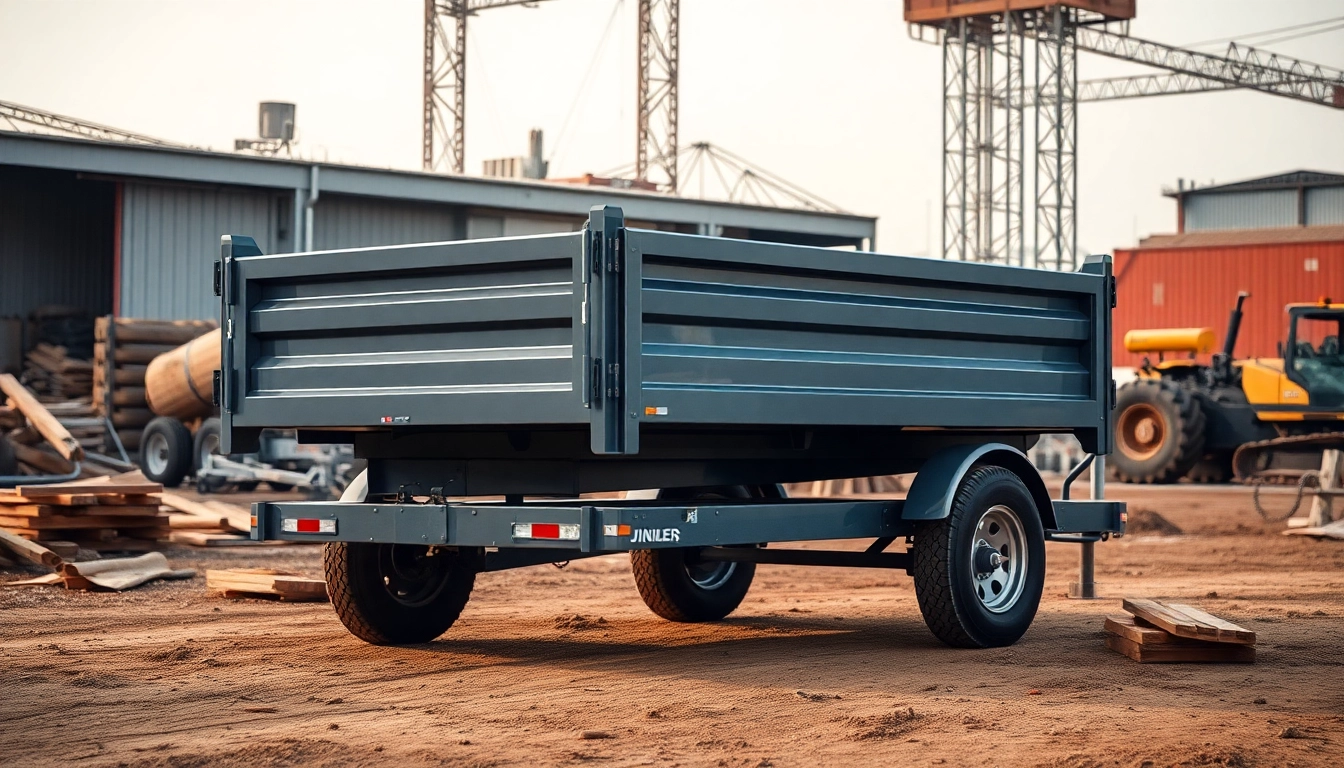
A dump trailer is a versatile piece of equipment designed to transport and unload heavy materials like soil, debris, gravel, and other construction materials with ease. Utilizing a hydraulic lift mechanism, the bed of the trailer can be raised, allowing for the quick and efficient unloading of goods. Unlike standard trailers, dump trailers are equipped with a robust frame and heavy-duty axles to support substantial payloads, making them invaluable in industries such as construction, landscaping, and waste management.
1.2 Key Features of Dump Trailers
Dump trailers come with various features that enhance their utility and performance:
- Hydraulic Lifting System: The hydraulic lift allows for quick unloading of heavy materials, reducing manual labor.
- Durable Construction: Most dump trailers are built from high-strength materials like steel or aluminum, ensuring longevity and resilience.
- Tandem Axles: These provide better stability and load-bearing capabilities, making for safer transport.
- Varying Bed Sizes: Dump trailers come in various bed sizes and configurations to suit different towing vehicles and payloads.
- Accessibility Features: Many models incorporate features like loading ramps and swing doors for easy loading and unloading.
1.3 Common Uses and Applications
Dump trailers find their application in numerous settings:
- Construction Sites: Transporting gravel, sand, soil, and other materials.
- Landscaping: Hauling mulch, rocks, and plants to job sites.
- Waste Management: Collecting and transporting debris or scrap materials.
- Agricultural Uses: Moving feed, seed, and other materials on farms.
2. Choosing the Right Dump Trailer for Your Needs
2.1 Size and Capacity Considerations
When selecting a dump trailer, size and capacity are paramount. The trailer should be compatible with the towing vehicle and be sized appropriately for the materials you'll be hauling. Consider factors such as the weight rating, the volume of the load, and whether you need a single or tandem axle for increased stability.
2.2 Material and Build Quality
Dump trailers are commonly constructed from steel or aluminum. Steel trailers, known for their sturdiness, are ideal for heavy-duty applications but are more prone to rust. Aluminum options are lightweight and resistant to corrosion, making them suitable for less heavy loads. Evaluate your specific needs to determine which material is most appropriate.
2.3 Bed Type Options Explained
The bed type of a dump trailer can influence its functionality:
- Flatbed Dumps: Offer versatility but may require additional equipment for loading.
- Enclosed Dumps: Protect the contents from weather and road debris, ideal for transporting loose materials.
- Split Bed Dumps: Provide flexibility for carrying different types of loads in one trip.
3. Safety and Maintenance Tips for Dump Trailers
3.1 Safety Guidelines When Using
Safety should always be a priority when operating a dump trailer. Ensure that you follow these guidelines:
- Always hitch the trailer properly to the towing vehicle.
- Check all lights and brakes before use.
- Do not overload the trailer beyond its capacity.
- Use appropriate loading techniques, balancing the load evenly.
- Be aware of the drop zone before unloading and keep bystanders at a safe distance.
3.2 Routine Maintenance Practices
To prolong the lifespan of your dump trailer, incorporate the following maintenance practices:
- Regularly inspect and tighten bolts and fasteners.
- Lubricate moving parts and check hydraulic fluid levels.
- Wash the trailer after use, particularly after hauling corrosive materials.
- Examine tires for alignment, wear, and pressure.
3.3 Common Issues and Troubleshooting
Being prepared for common issues can save time and mitigate risks:
- Hydraulic Issues: If the bed doesn't lift, check for hydraulic fluid leaks and ensure the pump is functioning.
- Electrical Problems: Inspect wiring if lights fail to operate.
- Structural Damage: Look for cracks or bends in the frame and address them immediately to prevent further damage.
4. Cost Factors and Budgeting for Your Dump Trailer
4.1 Typical Costs of Dump Trailers
The cost of a dump trailer can vary widely depending on factors like size, material, and features. On average, you may expect to spend anywhere from $2,000 to $10,000. Used trailers are generally more economical but may require additional maintenance. Budget for spare parts and accessories, which can add to the overall investment.
4.2 Financing Options for Purchase
Many buyers explore financing options to manage the purchase of a dump trailer. Options include loans from financial institutions, leasing, or dealer financing plans. Evaluate terms, interest rates, and your budget before deciding. Be sure to calculate total costs to avoid exceeding your limits.
4.3 Assessing Long-term Value
Investment in a dump trailer should also consider long-term value. This value is influenced by expected lifespan, maintenance costs, and potential resale value. Higher-quality trailers may have a higher initial cost but can show savings over time through durability and reduced maintenance.
5. FAQs About Dump Trailers
5.1 What can I haul in a dump trailer?
You can haul a variety of materials, including construction debris, soil, gravel, mulch, and landscaping materials. Always check the trailer's weight limits for safe hauling.
5.2 How do I maintain my dump trailer?
Maintenance includes regular inspections, lubricating moving parts, checking hydraulic fluids, and ensuring the trailer is clean after use to prevent rust and wear.
5.3 Are dump trailers worth the investment?
Yes, dump trailers offer efficiency and convenience for transporting materials. Their versatility can reduce labor costs and increase productivity on various projects.
5.4 How do I choose the right dump trailer size?
Consider the weight and volume of materials you typically transport. Ensure the trailer's capacity matches your towing vehicle's capabilities to optimize performance.
5.5 Can I customize my dump trailer?
Many manufacturers offer customization options, including additional features like side extensions, ramps, and specific paint jobs, enabling you to tailor the trailer to your needs.