Understanding Astaxanthin: What You Need to Know
What is Astaxanthin?
Astaxanthin is a powerful carotenoid pigment found in various marine organisms, such as microalgae, shrimp, fish, and certain species of crustaceans. Known for its vibrant red-orange color, it is responsible for the pink hue seen in salmon and flamingos. As a member of the xanthophyll family, astaxanthin stands out due to its unparalleled antioxidant properties. Unlike many antioxidants, astaxanthin can access various parts of human cells, including cell membranes, which enhances its health benefits significantly.
Benefits of Astaxanthin
Research has unveiled a wide array of health benefits attributed to astaxanthin. Here are some of the most notable:
- Antioxidant Protection: Astaxanthin is considered one of the most potent natural antioxidants, exceeding the efficacy of vitamin C, vitamin E, and beta-carotene.
- Anti-Inflammatory Properties: It can help reduce inflammation, making it beneficial for various conditions, including arthritis and other inflammatory diseases.
- Skin Health: Astaxanthin has been shown to protect skin from UV damage, promoting skin elasticity and hydration.
- Eye Health: Its ability to reduce oxidative stress in eye cells has made it popular in promoting vision and eye health.
- Heart Health: Astaxanthin has been shown to support cardiovascular health by reducing oxidative stress and inflammation in blood vessels.
- Exercise Endurance: Many athletes include astaxanthin in their regimen because of its potential to enhance endurance and recovery.
Sources of Astaxanthin
Astaxanthin is primarily sourced from:
- Microalgae: The most potent source of astaxanthin comes from the microalgae Haematococcus pluvialis, which can produce astaxanthin in large quantities.
- Seafood: Foods like shrimp, krill, and salmon are also rich in astaxanthin, contributing to the color of these animals.
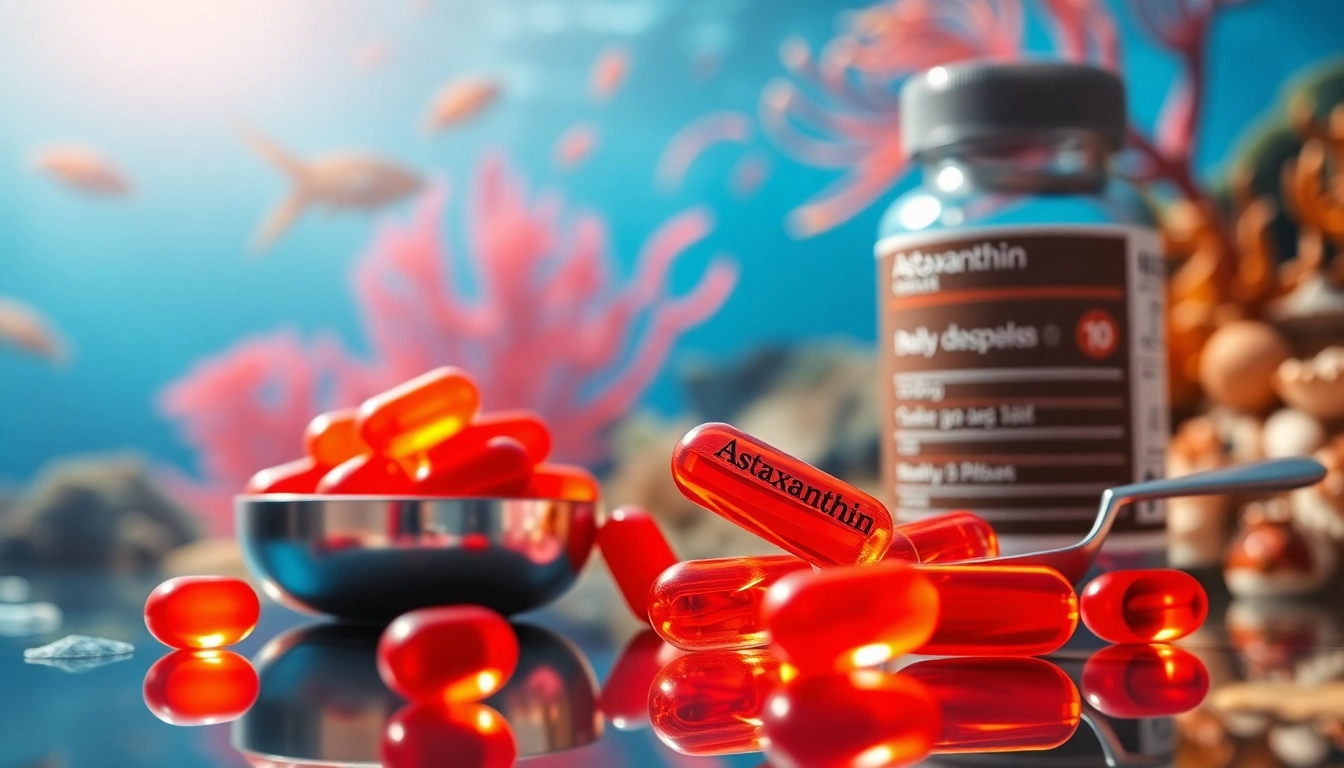
- Supplementation: Astaxanthin supplements are widely available in capsule and powder form, making it easier to incorporate into the diet.
How Much Astaxanthin Should I Take?
Recommended Daily Dosages
When consider the how much astaxanthin should I take, it's essential to refer to established guidelines. Most studies suggest a range between 4 mg to 12 mg per day for general health benefits. Some athletes may utilize higher doses up to 20 mg per day to optimize performance and recovery.
Factors Influencing Dosage
The appropriate dosage of astaxanthin can depend on several individual factors, including:
- Age: Older adults may require higher doses to reap similar benefits seen in younger individuals.
- Health Status: Individuals with specific health conditions may need tailored dosages as per their requirements.
- Activity Level: Athletes tend to take higher amounts to support endurance and recovery.
- Dietary Sources: Those consuming astaxanthin-rich foods may opt for lower supplemental dosages.
Consultation with Health Professionals
Before beginning any supplement regimen, including astaxanthin, it's crucial to consult healthcare providers, especially for individuals taking medications or those with underlying health conditions. Professional guidance can help tailor the dosage based on individual health profiles and lifestyle needs, ensuring optimal benefits.
Potential Side Effects and Precautions
Common Side Effects
Astaxanthin is generally regarded as safe when taken at recommended doses. However, some individuals may experience side effects, such as:
- Digestive disturbances, including bloating and upset stomach.
- Skin discoloration, which is typically harmless but may be of concern for some.
- Allergic reactions in those with sensitivities to carotenoids.
Interactions with Other Supplements
Astaxanthin may interact with certain medications, including anticoagulants and blood pressure medications. It is advisable to inform healthcare providers of all supplements being taken to avoid potential interactions and ensure safety.
Safety Considerations
Astaxanthin's safety profile is well-documented, but certain populations, such as pregnant or nursing women, should seek professional advice before supplementation. Using reputable brands that guarantee purity and potency can also prevent adverse reactions.
Incorporating Astaxanthin into Your Routine
Ways to Take Astaxanthin
There are various methods to incorporate astaxanthin into your daily health regimen:
- Capsules or Tablets: The most straightforward way, offering pre-measured doses.
- Powdered Form: This can be added to smoothies, shakes, or foods for an easy boost.
- Dietary Sources: Incorporating astaxanthin-rich foods may also enhance antioxidant intake naturally.
Combining Astaxanthin with a Balanced Diet
Astaxanthin is most effective when combined with a healthy diet rich in antioxidants, vitamins, and minerals. Foods high in omega-3 fatty acids, such as fish and flaxseeds, complement astaxanthin’s benefits. Pairing a variety of colorful fruits and vegetables can augment its effects while providing additional nutrients necessary for optimal health.
Monitoring Your Health Metrics
Keeping track of physical performance, energy levels, skin health, and overall wellbeing can help individuals assess the impact of astaxanthin supplementation. Regular check-ins can reveal how the body responds and whether adjustments in dosage or form are necessary.
FAQs on Astaxanthin Dosage
What is the ideal dose of astaxanthin?
The ideal dose generally ranges from 4 mg to 12 mg per day, but it can be higher for athletes or specific health needs. Always consult healthcare providers for personalized recommendations.
Can I take astaxanthin with other supplements?
Yes, astaxanthin can be combined with other supplements, but it's essential to discuss this with healthcare providers to avoid any potential interactions.
Is astaxanthin safe for everyone?
While astaxanthin is considered safe for most, those with specific allergies or pregnant/nursing women should consult a healthcare provider before use.
How long does it take to see results from astaxanthin?
Results vary, but many users report improvements in skin health or exercise endurance within two weeks to a month of regular supplementation.
Should I take astaxanthin on an empty stomach?
Astaxanthin is better absorbed with dietary fats, so it's advisable to take it with meals rather than on an empty stomach for optimal efficacy.