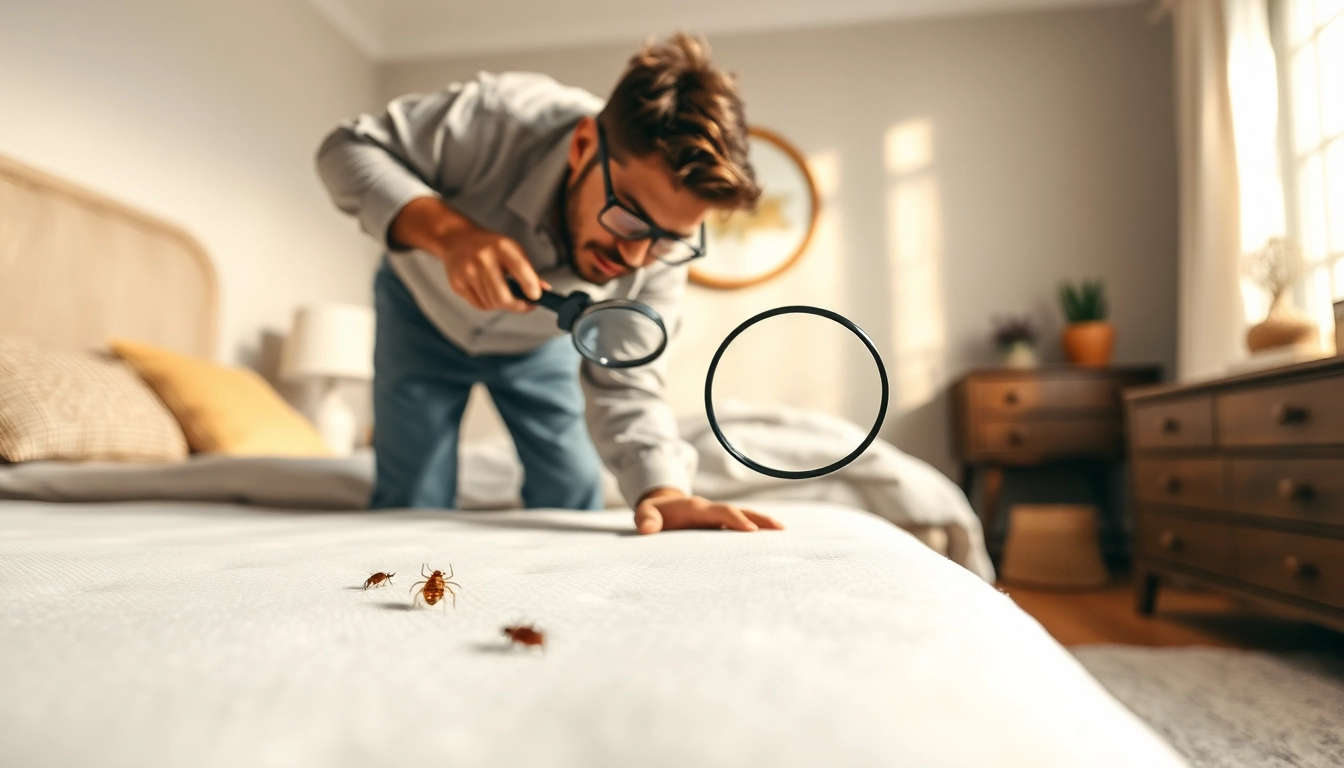
Understanding Bed Bugs and Their Habits
What Are Bed Bugs?
Bed bugs are small, elusive insects that belong to the Cimicidae family. They are nocturnal parasites that feed on the blood of humans and animals, causing itchy bites and discomfort. Adult bed bugs are roughly the size of an apple seed, measuring about 5-7 millimeters in length, with a reddish-brown hue. Their flat bodies allow them to squeeze into tight spaces, making them adept at hiding in crevices within beds, furniture, and walls.
Common Signs of Infestation
Recognizing a bed bug infestation early can prevent a full-blown problem. Common signs include:
- Bites on the Skin: Small, itchy welts on skin, often appearing in a line or cluster.
- Blood Stains: Small, reddish stains on sheets or pillowcases from crushed bugs or feeding.
- Rusty Exoskeletons: Molted skins, left behind after bed bugs mature.
- Fecal Spots: Dark, tiny spots usually found in the seams of mattresses or on walls.
Biology and Behavior of Bed Bugs
Bed bugs are resilient creatures with a significant reproductive capacity. A female can lay up to 500 eggs in her lifetime, which hatch into nymphs within a week and start feeding almost immediately. They can survive several months without a meal, adding to their difficulty in eradication. Understanding their life cycle and behavior is essential in mastering bed bug removal strategies.
Effective Methods for Bed Bug Removal
Chemical Treatments and Pesticides
Chemical treatments involve the use of various pesticides specifically designed to eliminate bed bugs. These include:
- Insect Growth Regulators (IGRs): Disrupt the life cycle of bed bugs and prevent them from maturing.
- Pyrethroids: A synthetic form of the natural insecticide pyrethrin, effective in killing adults but may not affect eggs.
- Desiccants: These chemicals damage the bugs' exoskeleton and dehydrate them over time.
It's crucial to follow all safety guidelines when using chemicals, and to consider hiring a professional who can apply them effectively and safely.
Natural Remedies for Bed Bug Removal
For those seeking alternatives to chemicals, several natural remedies can help manage an infestation. Though they may not offer complete eradication, they can be part of a comprehensive strategy:
- Essential Oils: Oils like tea tree, lavender, and peppermint have insecticidal properties that may repel bed bugs.
- Diatomaceous Earth: This powdery substance causes dehydration in bed bugs as they crawl over it, helping to reduce their population.
- Soap and Water Combination: A simple mixture can trap and suffocate bed bugs upon contact.
Heat Treatments and Their Benefits
Heat treatment stands out as one of the most effective methods for bed bug removal. Exposing bed bugs to temperatures above 118°F (48°C) for at least 90 minutes can effectively eliminate them at all life stages. Benefits of heat treatments include:
- Non-Toxic: No harmful chemicals are involved, making it safe for humans and pets.
- Thoroughness: Heat penetrates deep into furniture and walls, reaching even hidden nests.
- Speed: Treatment can often be completed in a single visit, resulting in instant relief from bed bugs.
Preparing Your Home for Treatment
Steps to Take Before Professional Help
Before a pest management professional arrives, follow these crucial steps to prepare your home:
- Remove clutter from affected areas, allowing easy access for treatment.
- Launder fabrics in hot water, including sheets, clothing, and curtains.
- Vacuum carpets and furniture thoroughly, disposing of the vacuum bag immediately afterward.
Identifying and Isolating Infested Areas
Identifying the primary areas infested by bed bugs can expedite the treatment process. Look for:
- Mattresses, box springs, and bed frames.
- Cracks and crevices in the walls and furniture where bed bugs may hide.
- Behind baseboards and electrical outlets.
Isolating these areas can prevent further spread and ensure a more targeted treatment approach.
Cleaning and Decluttering Strategies
Regular cleaning and organization can help maintain a bed bug-free home:
- Implement a regimen of vacuuming and dusting, focusing on potential hiding spots.
- Seal cracks in walls and floors to eliminate potential habitats.
- Encapsulate mattresses and box springs with protective covers that trap any remaining bugs.
Preventing Future Infestations
Best Practices for Home Maintenance
Proper home maintenance can drastically reduce the risk of future bed bug infestations:
- Inspect used furniture and clothing before bringing them into your home.
- Regularly check sleeping areas and surrounding spaces for any signs of bed bugs.
- Maintain cleanliness in and around the home to reduce hiding spots.
Travel Tips to Avoid Bed Bugs
Bed bugs are notorious hitchhikers; protecting yourself while traveling is vital:
- Inspect hotel rooms for signs of bed bugs before unpacking.
- Keep luggage elevated on racks, away from the floor and bed.
- Immediately wash clothes upon returning home, using hot water.
Monitoring and Early Detection Techniques
Implementing monitoring techniques can help catch a bed bug resurgence early:
- Utilize bed bug monitors or traps placed around beds and furniture.
- Regularly inspect hiding places during routine cleaning.
- Educate family members about recognizing the signs of bed bugs.
When to Seek Professional Help for Bed Bug Removal
Signs That You Cannot Handle It Alone
If you experience these issues, it may be time to seek professional help:
- Rapid increase in bed bug bites or sightings in your home.
- Inability to control or effectively manage the infestation with DIY methods.
- Severe allergic reactions to bites requiring medical attention.
Choosing the Right Exterminator
Selecting a reputable pest management professional is crucial for effective bed bug eradication:
- Look for companies with licenses, certifications, and strong customer reviews.
- Inquire about their treatment methods, ensuring they offer integrated pest management solutions.
- Check for warranties or follow-up services post-treatment.
Understanding the Treatment Process
Once you've chosen a pest control service, familiarize yourself with the treatment process to set proper expectations:
- Initial inspection to clarify the extent of infestation.
- Selection of treatment method—chemical, heat, or a combination.
- Follow-up inspections to ensure the treatment was effective and monitor for any remaining bugs.
Frequently Asked Questions
1. How can I tell if I have a bed bug infestation?
Common signs include itchy bites on the skin, blood stains on sheets, and finding small dark spots (fecal matter) around the bed area.
2. Can I get rid of bed bugs on my own?
While DIY methods can help, they are often not sufficient for larger infestations. Seeking a professional service is recommended for thorough eradication.
3. Are bed bugs harmful to my health?
While bed bugs don’t transmit diseases, their bites can cause allergic reactions and secondary infections due to scratching.
4. How long does bed bug treatment take?
Most treatments take a few hours, but effective eradication can take several weeks, especially if multiple treatments are necessary.
5. How can I prevent bed bugs from returning?
Regular cleaning, inspecting secondhand items, and applying mattress encasements are effective strategies to prevent future bed bug infestations.