Understanding Remote IT Support for Small Business
What is Remote IT Support?
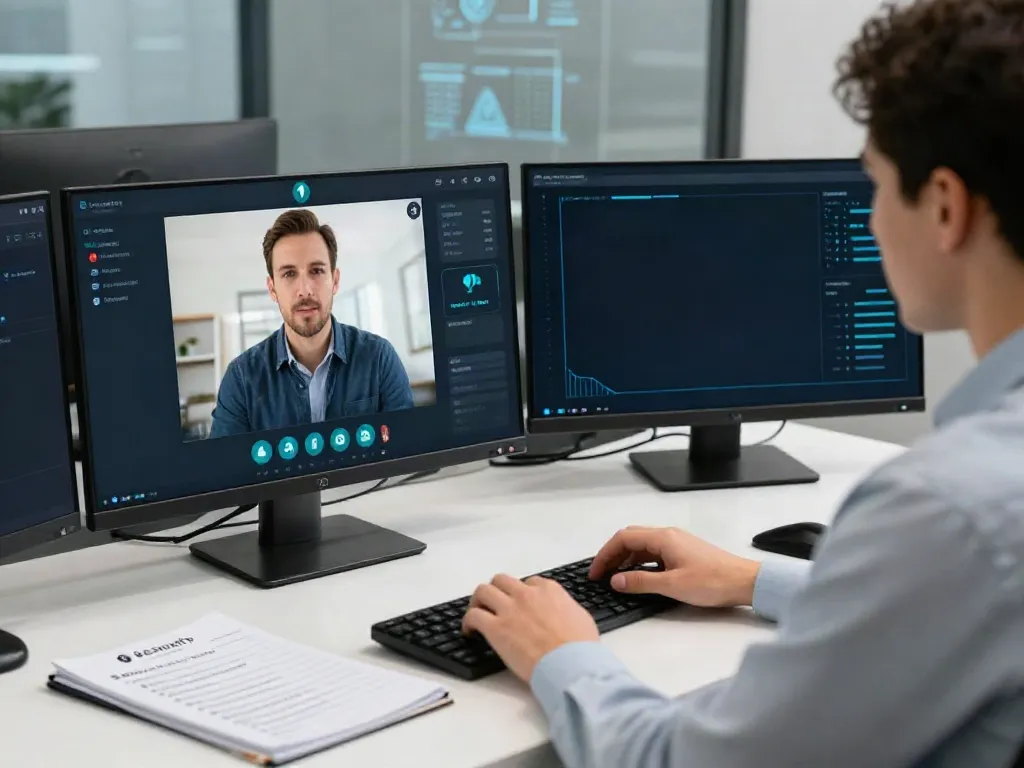
Remote IT support refers to a range of IT services offered by technicians and support teams who provide assistance over the internet rather than in person. This model allows businesses to rapidly address technical issues without the need for an on-site visit. With the rise of digital communication, remote IT support has become a cornerstone for small businesses seeking efficient and cost-effective solutions to their IT challenges. By utilizing remote it support for small business, organizations can access expertise anytime and resolve issues promptly.
Benefits of Remote IT Support
The implementation of remote IT support services offers numerous advantages for small businesses. Primarily, it enhances operational efficiency. When technical difficulties occur, staff can receive immediate assistance, reducing downtime. This swift resolution can significantly boost productivity.
Additionally, remote support can lead to substantial cost savings. Small businesses can avoid the expenses associated with full-time IT staff while still accessing expert-level knowledge as needed. This service model also allows for scalable IT solutions, accommodating varying business sizes and needs over time.
Security is another critical factor. Remote IT support providers frequently offer proactive maintenance, ensuring systems are up-to-date and protecting against the latest cyber threats. This ongoing vigilance strengthens the integrity of business operations.
How Remote IT Support Works
Remote IT support operates through various communication technologies that enable technicians to access client systems over the internet. Typically, this involves software tools that allow for screen sharing, file transfer, and troubleshoot installations from afar. The process generally begins when a small business encounters an IT issue and contacts their support provider.
Following this initial contact, the support team will usually employ remote access software to diagnose the problem. They can quickly identify errors, apply fixes, or guide the user through troubleshooting steps. This collaborative approach fosters a continual connection between the business and its IT support provider, ensuring problems can be resolved before they impact productivity.
Common Challenges Faced by Small Businesses
Identifying IT Support Needs
Many small businesses struggle to ascertain the specific IT support services they require. Without a dedicated IT professional, organizations may find it challenging to recognize potential issues. Conducting a thorough assessment of current technology systems can highlight vulnerabilities and opportunities for improvement.
One effective approach is to categorize needs into operational priorities. By identifying critical business applications and data protection requirements, small businesses can more clearly define the IT support services that will best support their operations.
Budget Constraints in Managing IT
For many small businesses, budget constraints markedly influence IT management decisions. Allocating resources to technology upgrades and ongoing maintenance can pose significant challenges. The key is to balance quality with affordability.
Remote IT support can offer an economical alternative to maintaining an in-house IT team. By establishing a relationship with a trusted provider, businesses can tailor support packages to fit their specific needs and budget, ensuring they receive adequate coverage without overspending.
Choosing the Right Service Provider
Selecting an appropriate remote IT support provider can feel daunting. A small business should establish criteria that matter most, such as responsiveness, reputation, and the range of services offered. Conducting due diligence through recommendations or online research can reveal valuable insights into a provider’s capability.
It may also be beneficial to solicit trial periods or performance guarantees. This strategy allows businesses to evaluate service levels without a long-term commitment, facilitating the selection of a provider that aligns with their operational requirements.
Best Practices for Implementing Remote IT Support
Defining IT Support Goals
Before engaging with a remote IT support provider, small businesses should develop clear IT support goals. These goals should align with the overall business strategy and focus on enhancing productivity, security, and customer satisfaction. Documenting these objectives can help guide expectations and facilitate productive collaboration with the support provider.
Establishing Clear Communication Channels
For remote IT support to be effective, well-defined communication channels are essential. Small businesses should establish a protocol for reporting issues, escalating concerns, and providing feedback. Using project management tools, ticketing systems, or communication apps can streamline processes and improve response times.
Encouraging regular check-ins can also foster stronger relationships between the business and the support provider. These touchpoints can serve as opportunities to discuss performance metrics, upcoming challenges, and long-term strategies.
Regular Performance Monitoring and Evaluation
Monitoring the performance of the remote IT support team is crucial in understanding its impact on business operations. Establishing performance metrics, such as response times and resolution rates, can offer tangible insights into service efficacy. Regular evaluation should not only focus on these metrics but also include feedback from employees who interact with the support services.
Utilizing this data allows small businesses to assess the value derived from their IT support, ensuring any necessary adjustments to service levels or contracts can be made promptly.
Real-Life Examples of Effective Remote IT Support
Case Study: Increased Productivity
A small consulting firm faced frequent outages that resulted in numerous lost hours, hampering overall productivity. After implementing a remote IT support service, the firm was able to reduce downtime significantly by addressing issues in real-time. By utilizing remote solutions, the firm reported a 40% increase in productivity within the first three months of service.
Case Study: Cost Savings
One retail business employed a part-time IT manager who was unable to provide comprehensive support as issues arose. After shifting to a remote IT support model, the business achieved a reduction of over 30% in its IT costs. They no longer needed to maintain a dedicated staff member while still receiving expert assistance and rapid response for critical issues. The savings were redirected towards expanding their inventory.
Case Study: Enhanced Security
A local accounting firm was concerned about the increasing number of cyber threats. They engaged a remote IT support provider to bolster their security measures. The provider implemented regular system audits, updated software, and introduced multi-factor authentication. As a result, the firm reported a significant drop in security breaches, reassuring clients about the safety of their data.
FAQs About Remote IT Support for Small Business
What services are included in remote IT support?
Remote IT support typically includes troubleshooting and resolving hardware/software issues, system maintenance, network security, and regular updates. Providers may also offer user training and consultation on IT strategy.
How can remote IT support benefit my business?
Remote IT support can enhance your business by minimizing downtime, reducing IT costs, guaranteeing expert assistance, improving security, and enabling timely system updates. This leads to improved efficiency and productivity.
Is remote IT support affordable for small businesses?
Yes, remote IT support can be quite affordable, particularly for small businesses that may not have the resources for an in-house IT team. Providers usually offer flexible pricing models tailored to specific needs.
How do I choose a reliable remote IT support provider?
To select a reliable provider, consider their experience, customer reviews, range of services, and support responsiveness. It’s beneficial to seek recommendations and conduct thorough research before making a decision.
Can I integrate remote IT support with my existing systems?
Yes, most remote IT support services are designed to work with existing systems. Providers will assess your current infrastructure and offer solutions tailored to enhance your IT environment effectively.
Connection Technologies Contact Information
Head Office Address:Fareham Innovation Centre, Merlin House, 4 Meteor Way, Fareham, Lee-on-the-Solent, PO13 9FU, United KingdomEmail Us:[email protected]Email Us:[email protected]Email Us:[email protected]Email Us:[email protected]Phone Number:0333 015 2615Opening Hours:Monday To Thursday: 9:00 AM To 5:30 PMOpening Hours:Friday: 9:00 AM To 4:30 PM