Understanding Construction Safety Training Denver
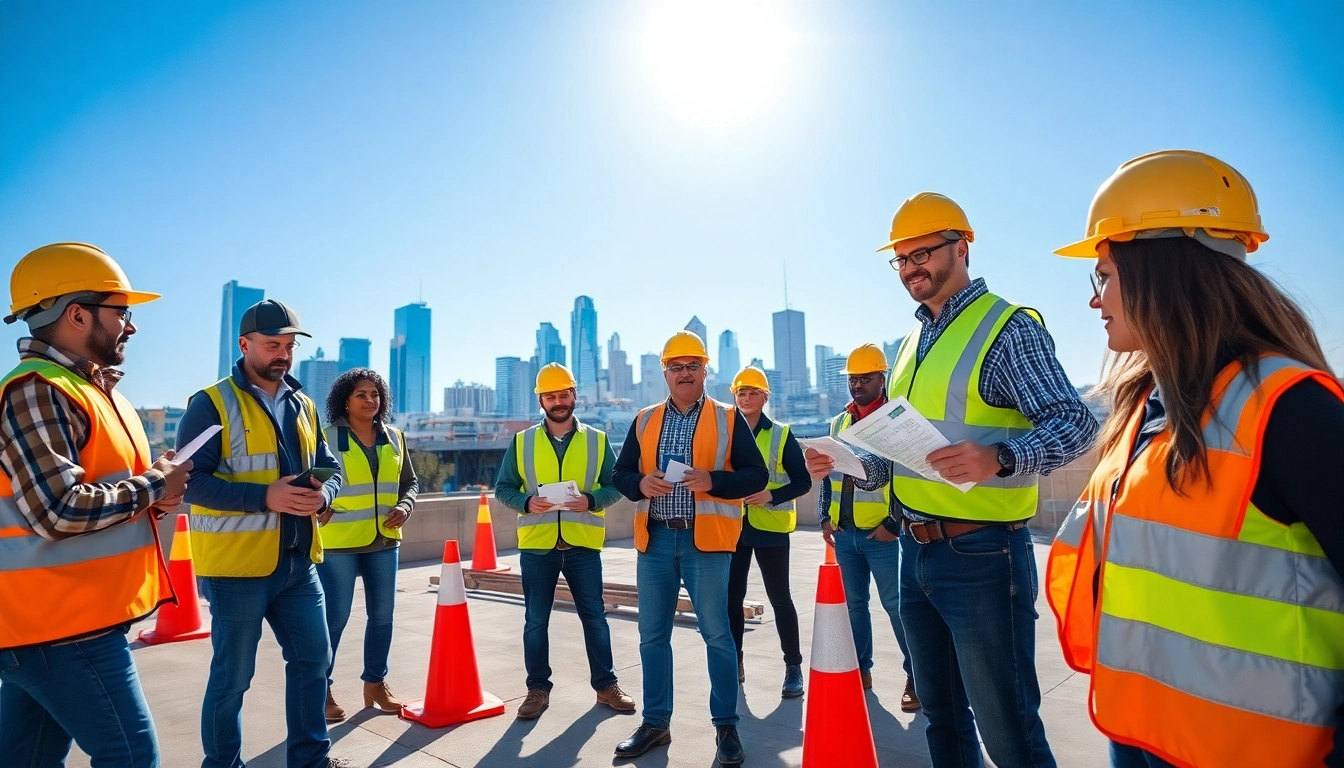
Construction sites can be dangerous places without the proper training. This is where construction safety training denver comes into play. It’s not just a regulatory requirement but a vital component for ensuring the safety and well-being of all workers involved. Understanding the significance of such training can pave the way for improved safety protocols in the industry.
Importance of Safety Training in Construction
Safety training in construction is imperative due to the hazardous nature of the work involved. Various statistics indicate that construction is among the industries with the highest injury and fatality rates. Workers can encounter a myriad of risks, including working at heights, electrical hazards, heavy machinery operation, and exposure to harmful substances.
By prioritizing safety training, companies not only mitigate risks but also instill a culture of safety within the workforce. This proactive approach helps to safeguard employees and reduces the likelihood of work-related accidents, which can lead to financial liabilities and loss of reputation.
Key Components of Construction Safety Training Denver
Construction safety training encompasses various essential topics designed to equip workers with the knowledge and skills necessary to operate safely. The key components often include:
- Hazard recognition and risk assessment
- Proper use of Personal Protective Equipment (PPE)
- Emergency response procedures
- Workplace safety protocols and regulations
- Safe operation of machinery and tools
This comprehensive framework ensures that all workers, regardless of their role, understand how to identify potential dangers and take the necessary steps to minimize risks on the job site.
Who Should Participate in Safety Training Programs?
Safety training should not be limited to just construction workers; it is essential for anyone involved in the construction process. This includes:
- Site managers and supervisors
- Safety officers
- Contractors
- Subcontractors
- New hires and temporary workers
Broad participation ensures that everyone understands their responsibilities and the importance of maintaining safety standards on the job site.
Core Topics Covered in Construction Safety Training
Hazard Recognition and Risk Assessment
One of the fundamental elements of construction safety training is hazard recognition and risk assessment. This training segment teaches workers how to identify potential hazards before they lead to accidents. Workers learn to recognize unsafe conditions or behaviors and how to assess the risk associated with specific tasks or sites.
Techniques such as job hazard analysis (JHA) are emphasized to ensure workers can break down tasks into manageable steps and scrutinize each for potential risks. This competency allows workers to create informed strategies to minimize risks, ensuring their own safety and that of their team.
Emergency Response and First Aid
Accidents can still occur despite all precautions. Therefore, understanding emergency response protocols is critical. As part of the training, workers learn essential first aid skills, evacuation plans, and how to communicate effectively during emergencies. Basic first-aid skills encompass how to address minor injuries as well as how to recognize and respond to more severe medical emergencies.
Familiarity with emergency equipment, such as fire extinguishers and first-aid kits, further equips workers to respond promptly and effectively, which can save lives in critical situations.
Personal Protective Equipment (PPE) Usage
The use of Personal Protective Equipment (PPE) is a crucial component of construction safety. During training, workers are educated on the various types of PPE available, including hard hats, gloves, safety glasses, respirators, and hearing protection. Proper training ensures that workers understand not only how to wear and maintain their equipment but also when it is necessary.
Additionally, the training covers environmental conditions that may necessitate different types of PPE, empowering workers to make informed decisions about their protection based on the tasks they are undertaking.
Benefits of Taking Construction Safety Training Denver
Improved Workplace Safety Culture
A well-implemented construction safety training program fosters a positive safety culture within an organization. When workers feel that their employers are invested in their safety, it enhances morale and encourages a collaborative environment. Employees are more likely to report unsafe conditions and engage in safety discussions, thus promoting continuous improvement.
This cultural shift not only protects workers but can also lead to increased productivity. A workplace that prioritizes safety often experiences fewer disruptions caused by accidents or injuries, allowing tasks to be completed more efficiently.
Reduced Accident Rates on Construction Sites
Numerous studies indicate a direct correlation between comprehensive safety training and reduced accident rates. Organizations that invest in safety training see fewer injuries, which can translate into lower workers' compensation costs and reduced insurance premiums. A safer workplace ultimately results in enhanced project timelines, as work is not delayed by accidents.
Moreover, in industries where employees frequently change, a robust safety program acts as a safety net for both seasoned workers and newcomers, ensuring adherence to best practices regardless of experience level.
Enhanced Skills and Career Opportunities
Engaging in construction safety training also benefits employees on a personal level. Workers who receive training often find that they possess enhanced and transferable skill sets, making them more attractive to employers. Being well-versed in safety protocols can position workers for leadership roles, as safety-conscious individuals are often seen as capable managers.
Additionally, many safety training programs include certification upon completion, providing workers with credentials that can boost their résumés and potentially lead to career advancement opportunities.
How to Choose the Right Construction Safety Training Provider
Evaluating Training Programs and Credentials
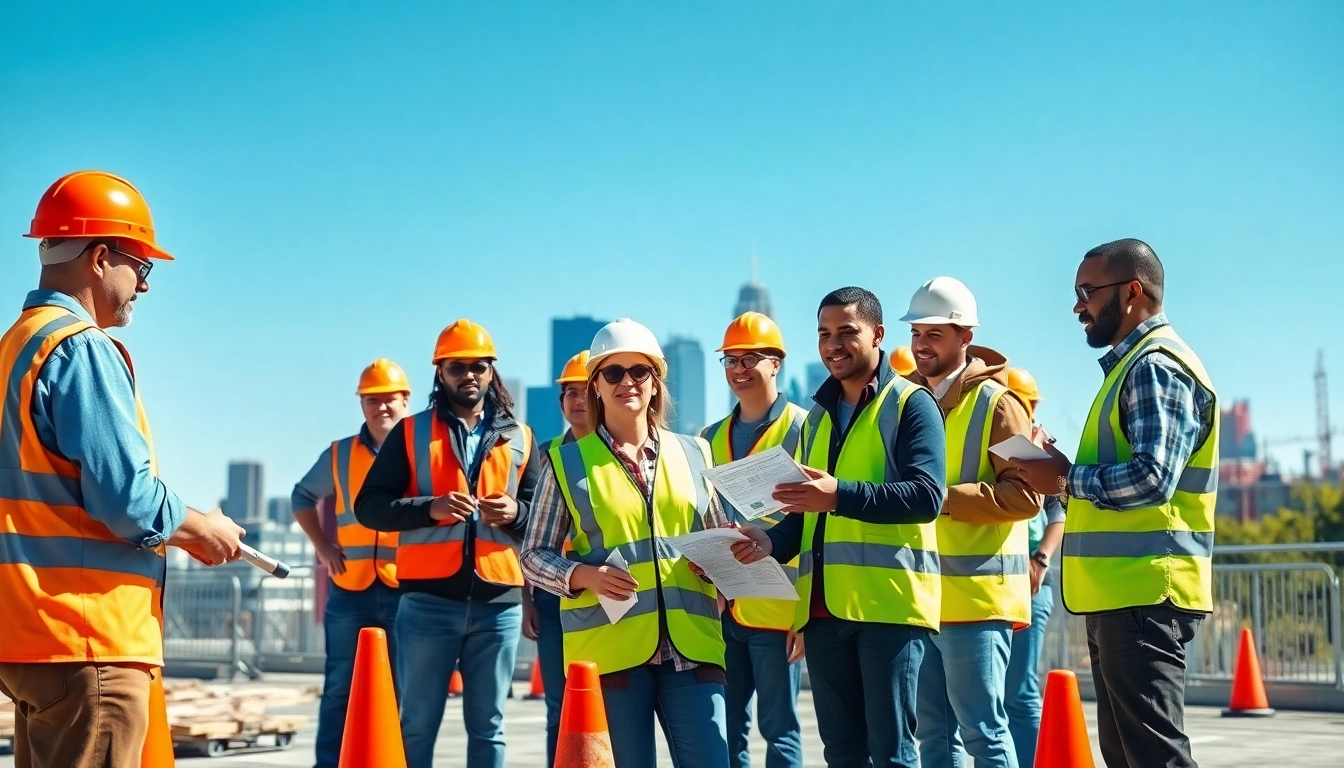
When selecting a construction safety training provider, it is essential to evaluate the programs they offer and their credentials. Accredited organizations should lead training sessions and instructors should possess relevant experience and certifications. This verification ensures that the training provided meets industry standards and effectively addresses the unique hazards faced in construction.
Furthermore, seek out providers who offer tailored programs that reflect the specific needs of their client’s projects or environments.
Understanding Course Formats and Accessibility
Safety training can come in various formats, including in-person workshops, online courses, or hybrid models. Understanding the accessibility of these formats is crucial for accommodating all learners. Hybrid models, which allow for both remote and on-site learning, can be particularly beneficial as they provide flexibility while also ensuring interactive engagement.
Confirm whether the training duration aligns with your team’s schedule and local regulations regarding minimum training hours required.
Checking Reviews and Testimonials
Lastly, leverage feedback from previous participants by checking online reviews or requesting testimonials. This insight can offer invaluable information on the training provider's effectiveness and the knowledge retention rates among participants. Positive feedback often indicates a training provider’s commitment to excellence and can guide informed decision-making.
Frequently Asked Questions About Construction Safety Training
What is construction safety training?
Construction safety training involves educating workers on health and safety protocols, hazard recognition, and safe work practices to reduce accidents and injuries on job sites.
How long does construction safety training typically take?
Training duration varies; basic courses may last a few hours while comprehensive programs can extend over several days, depending on the topics covered.
What certifications can I earn from training?
Certifications may include OSHA (Occupational Safety and Health Administration) credentials, First Aid/CPR certification, or industry-specific safety qualifications, all enhancing your résumé.
Why is ongoing training important?
Ongoing training ensures workers stay updated on the latest safety regulations, techniques, and technologies, reinforcing the importance of safety awareness across the workforce.
What costs are associated with construction safety training?
Costs can vary widely based on the provider, course content, and location. Some employers may cover these expenses as part of workforce development initiatives.