Understanding Equipment Hailing
What is Equipment Hailing?
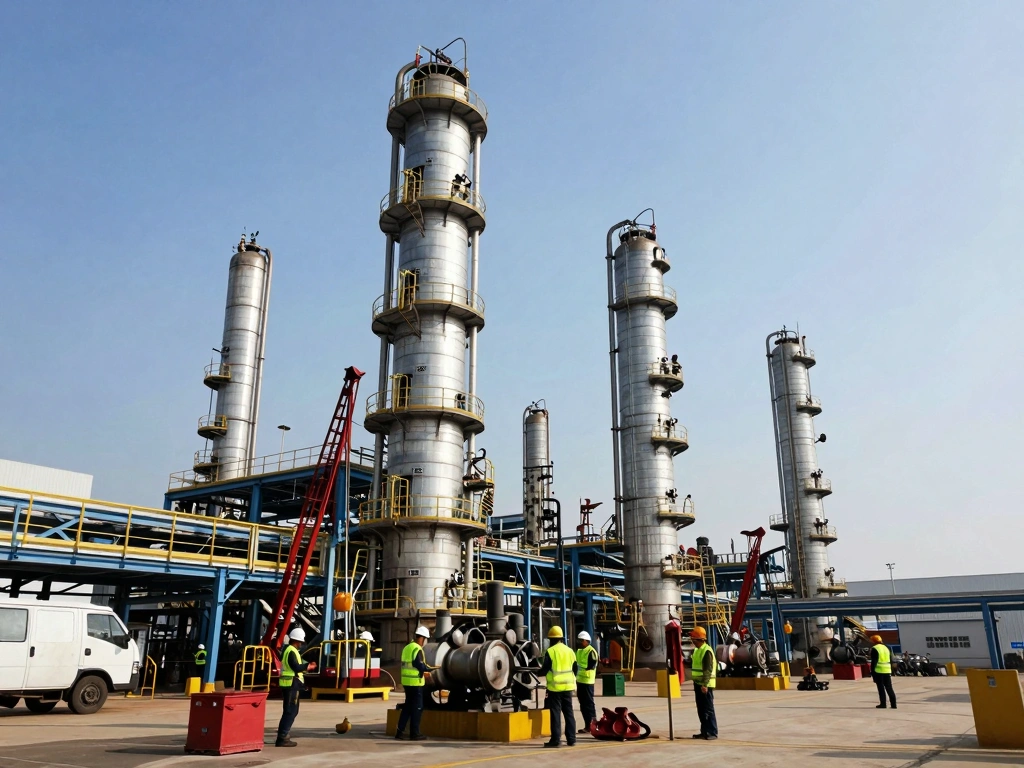
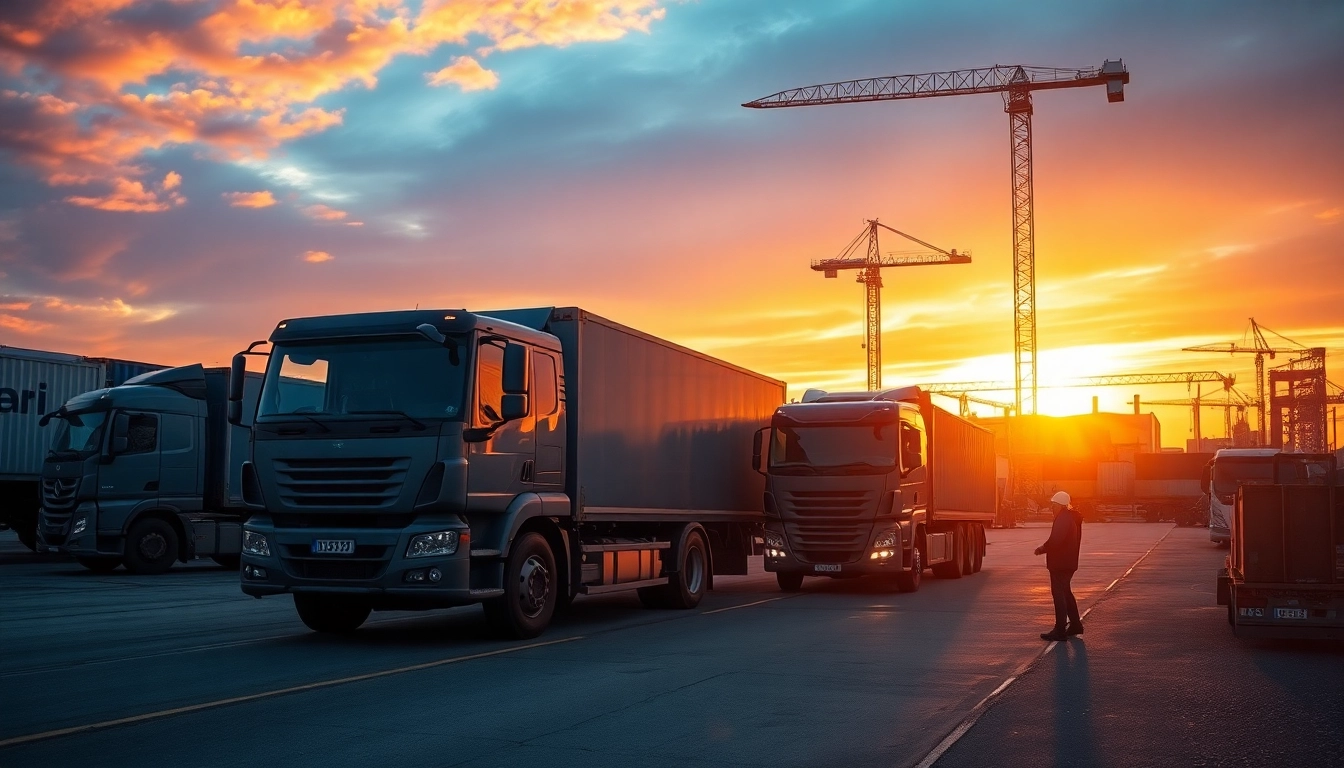
Equipment hailing refers to the process of requesting and scheduling the transport of heavy machinery, vehicles, and specialized equipment from one location to another. This essential service is pivotal in various industries, including construction, agriculture, and manufacturing, where timely transport of machinery can significantly impact project timelines and costs. Equipment hailing ensures that businesses can manage their resources efficiently by connecting them with transport providers who can handle their specific hauling needs.
Importance of Equipment Hailing
Efficient equipment hailing is crucial for maintaining productivity and reducing downtime. Industries that rely on heavy machinery often have tight deadlines, and any delays can result in lost revenue and increased operational costs. By utilizing reliable equipment hailing services, companies can streamline their logistics, ensuring that their equipment is available when needed. Furthermore, effective hailing services can lead to cost savings as businesses can avoid the expenses related to damaged or delayed equipment.
Key Components of Equipment Hailing
Effective equipment hailing comprises several key components:
- Scheduling: Arranging pick-ups and deliveries based on the availability of both equipment and transport services.
- Coordination: Communicating between equipment owners and haulers to ensure smooth operations.
- Logistics Management: Utilizing tools and software to optimize routes and load capacities for better efficiency.
- Compliance: Meeting all local, state, and federal regulations regarding transport of heavy equipment.
Choosing the Right Equipment for Hailing
Types of Equipment Ideal for Hailing
Different types of machinery require various handling techniques during hailing. Some examples include:
- Excavators: Heavy and bulky, needing specialized flatbed trucks or lowboys.
- Bulldozers: Similar in transport needs to excavators, requiring robust transport options.
- Forklifts: Smaller but can still be heavy; typically transported via standard flatbed.
- Agricultural Equipment: Such as tractors or combines, often need dedicated trailers depending on size and weight.
Safety Features to Consider
When hailing equipment, safety should always be a priority. Key safety features to consider include:
- Proper Tie-Downs: Ensuring that all equipment is securely fastened during transport.
- Load Monitoring Systems: Utilizing technology to track load status and stability during transport.
- Safety Training: Ensuring that all personnel involved in loading and transporting have proper training.
- Regular Inspections: Conducting thorough checks on transport vehicles and equipment before every haul.
Selecting Efficient Transport Vehicles
Choosing the right transport vehicles is essential for effective equipment hailing. Vehicles should be selected based on load capacity, terrain compatibility, and distance to be covered. For instance:
- Flatbed Trailers: Versatile for various machinery types but require proper securing techniques.
- Lowboy Trailers: Ideal for very heavy or tall machinery, offering a lower center of gravity for stability.
- Gooseneck Trailers: Suitable for very heavy loads where maneuverability is required.
Regulations and Compliance in Equipment Hailing
Local and Federal Regulations
Equipment hailing is subject to various regulations that can affect how and where hauls can take place. Compliance with both local and federal regulations, including weight limits and route restrictions, is critical. Businesses must stay updated on these regulations to avoid penalties or delays.
Necessary Permits for Equipment Transport
Transporting heavy equipment often requires specific permits. Depending on the size and weight of the equipment, additional permits may be required for:
- Oversized loads, which need special routing, signage, and sometimes escort vehicles.
- Load permits which dictate the times and routes that can be taken for transport.
- Environmental permits if the haul involves crossing protected or sensitive areas.
Adhering to Safety Standards
Safety standards are vital to mitigate risk during transport. Ensuring adherence to industry safety guidelines not only protects workers but also safeguards equipment from damage. Regularly reviewing safety protocols and updating practices in line with current standards is essential for any business involved in equipment hailing.
Logistics and Planning for Successful Hailing
Route Planning for Efficient Hailing
Effective route planning is more than just finding the fastest way to a destination. It involves evaluating road conditions, weight limits, construction zones, and availability of rest stops for longer hauls. Utilizing GPS technology and mapping software can optimize routes for efficiency, helping to avoid potential obstacles that could delay transport.
Managing Time and Resources
Time and resource management are crucial aspects of equipment hailing. Scheduling hauls during off-peak hours can greatly reduce travel time and increase safety. Additionally, businesses should leverage logistics software that assists in monitoring equipment status and anticipating potential issues before they arise.
Cost-Effective Strategies for Hailing
To keep costs in check, a few strategies can be employed:
- Bulk Scheduling: Combining hauls for multiple pieces of equipment can save on transport costs.
- Negotiating Rates: Building relationships with transport providers can result in better pricing and service agreements.
- Regular Audits: Performing audits on transport efficiency can reveal areas for cost savings and improved practices.
FAQs on Equipment Hailing
How much does equipment hailing cost?
The cost of equipment hailing can vary widely based on distance, weight, and the complexity of the load. Short local hauls may range from $150–$500, while cross-country hauls can exceed $2,000.
What types of equipment can be hailed?
Equipment hailing applies to various machinery types, including construction equipment like bulldozers and excavators, agricultural machines like tractors, and specialized vehicles designed for unique tasks.
What permits are required for heavy equipment hailing?
Permits often required for heavy equipment hailing include oversized load permits, transport permits that specify route and timing, and environmental permits depending on the haul route and load type.
How can I ensure the safety of my equipment during hailing?
To ensure equipment safety during hailing, use proper securing methods, conduct regular vehicle inspections, and work with experienced haulers who prioritize safety protocols throughout the transport process.
What are common challenges faced in equipment hailing?
Common challenges include navigating through weight restrictions, coordinating schedules among multiple parties, and adhering to fluctuating regulations that can impact transport logistics and costs.
Contact Information
Call Us:4062607988Address: 3906 MT-40, Columbia Falls, MT 59912