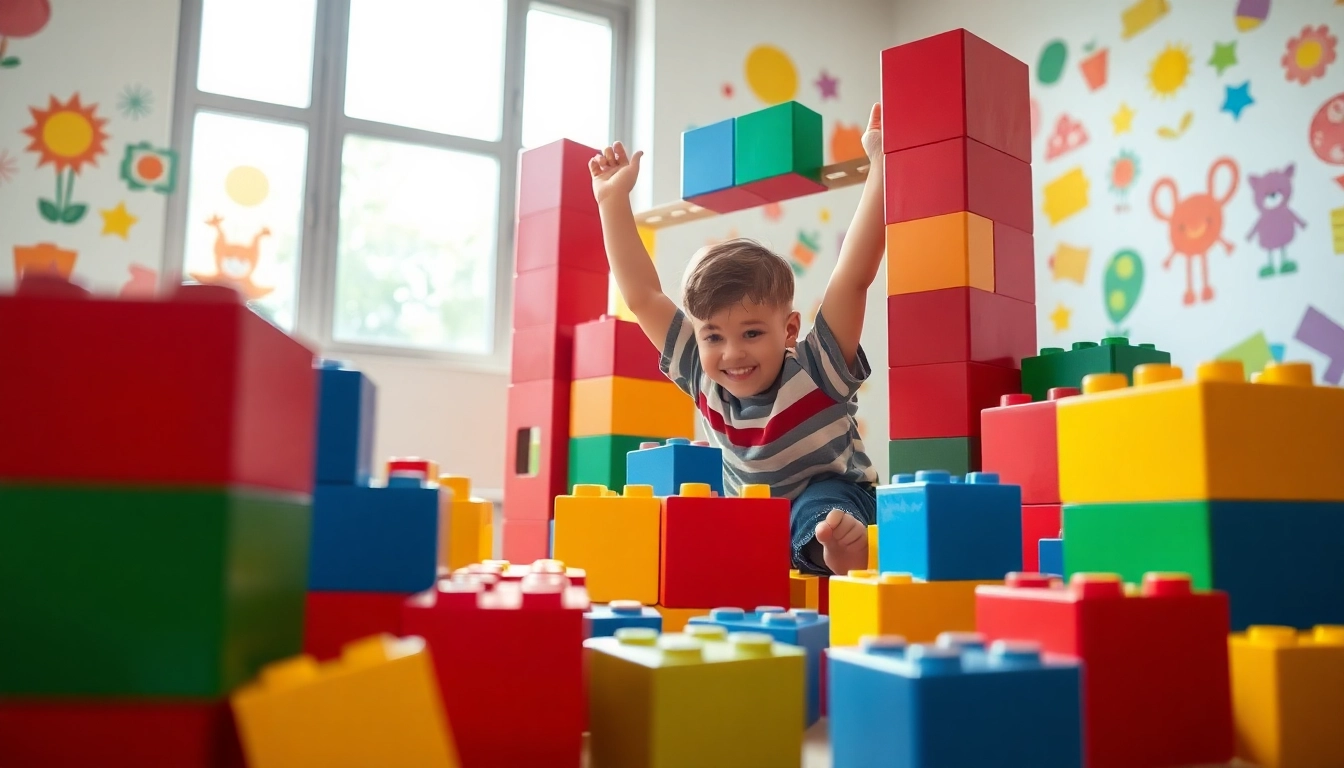
The Benefits of Giant Building Blocks for Kids
Giant building blocks are an exciting tool for children, fostering creativity, coordination, and collaboration. With their oversized dimensions, these blocks are more than just oversized toys; they play a critical role in promoting various developmental milestones in young minds. discover more about how these blocks can be integrated into playtime to maximize the developmental benefits they offer.
Physical Development and Coordination
Physical abilities are fundamental in early childhood, and giant building blocks serve as an incredible medium for enhancing gross motor skills. These blocks require children to engage in lifting, stacking, and balancing, which can significantly improve their coordination and strength.
As children maneuver these large blocks, they develop their body awareness and spatial perception. Balancing a towering structure or lifting heavy pieces helps them understand their physical limits and capabilities. Studies suggest that engaging in such physical play can promote better motor skills, leading to greater confidence during other activities like sports and dance.
Cognitive Skills and Problem Solving
Building with giant blocks encourages creative thinking and enhances cognitive abilities. Children must plan and execute designs, which fosters problem-solving skills. They learn to visualize their ideas, strategize about how to bring them to life, and even troubleshoot construction issues as they arise.
For instance, when a structure collapses, it prompts critical thinking—children assess what went wrong and adjust their techniques accordingly. Such experiences cultivate resilience and adaptability, which are essential traits as they grow and encounter various challenges in life.
Encouraging Social Interaction and Teamwork
Giant building blocks naturally promote collaboration among children. Whether they’re working together to build a towering castle or competing in a friendly challenge, these activities encourage communication and teamwork. Children learn to share ideas, delegate tasks, and celebrate collective achievements.
Group projects with building blocks also teach important social skills such as negotiation and conflict resolution. Children are often faced with differing opinions on design choices, which provides a practical platform for learning how to compromise and work together harmoniously.
Choosing the Right Blocks for Different Ages
Block Sizes and Safety Considerations
When selecting giant building blocks, size and safety must be top priorities. Blocks should be appropriately sized for the children who will use them. Smaller blocks might be appropriate for toddlers, while larger blocks can suit older children.
Safety features such as rounded edges and non-toxic materials are crucial. Parents and caregivers should also ensure that blocks are lightweight enough to minimize risk during play. Checking for safety certifications can provide additional peace of mind.
Age-Appropriate Building Challenges
Different age groups require varying levels of challenge to keep them engaged. For toddlers, simplistic shapes and large, easy-to-handle blocks encourage experimentation and discovery. As children grow, they can handle more complex designs, which encourage mathematical reasoning and spatial awareness.
For example, preschoolers might enjoy building simple structures while older kids could be challenged to create something specific, like a bridge or a vehicle. These tailored challenges offer not only fun but also developmental stimulation appropriate for each child's age.
Materials and Durability Factors
The material of giant building blocks greatly influences their usability and safety. Common materials include soft foam, durable plastic, and lightweight wood. Each material offers distinct advantages, such as varying levels of durability, ease of cleaning, and safety for indoor versus outdoor play.
Choosing high-quality, durable blocks means they can withstand rough handling and last through years of play, making them a worthwhile investment for families and educational institutions.
Creative Building Ideas and Projects
Indoor Forts and Castles
Building forts and castles is a classic activity that provides hours of imaginative play. With large blocks, children can explore their design skills while creating unique structures that serve as play spaces or imaginative hideaways. This type of play fosters creativity as they learn to visualize their ideas and make them a reality.
Utilizing blankets or other household items, kids can enhance their forts, learning to combine materials as they adapt their designs. This cross-material play encourages innovative thinking and experimentation.
Collaborative Challenges for Groups
Setting collaborative building challenges can elevate playgroups' engagement. Children can be divided into teams, tasked with constructing themed structures, such as space stations or jungles. These challenges not only foster teamwork but also encourage an exchange of ideas and encourage children to learn from each other.
By incorporating time limits or specific goals, the challenges can also instill a sense of urgency and adaptability, teaching children how to work quickly while still maintaining the quality of their creations.
Themed Building Activities
Themed building activities allow children to delve deeper into subjects they love. For instance, exploring architectural styles by constructing replicas of famous landmarks can combine engineering challenges with educational lessons about geography and history.
Themed days could include building competitions or community events where kids display their works—this not only encourages creativity but also builds confidence as they present their ideas to peers and parents.
Tips for Creating an Engaging Play Environment
Setting Up a Dedicated Play Area
A dedicated play area is essential for providing children with a space where they can engage safely and creatively. This space should be inviting, spacious enough to allow freedom of movement, and filled with adequate lighting to promote a stimulating atmosphere.
Simplicity in décor can make the space adaptable—using colorful floor mats or wall art that inspires creativity can enhance the aesthetic appeal while maintaining functionality. Ensuring easy access to the blocks will encourage children to interact with them independently or in groups.
Incorporating Other Toys and Accessories
To further engage children in play, consider incorporating various toys and accessories alongside giant building blocks. Dolls, action figures, or vehicles add another layer of imagination, allowing children to create stories and expand their play scenarios.
Art supplies can also be introduced, such as markers or paints, enabling kids to customize their blocks and explore new modes of expression. This cross-disciplinary approach fosters creativity and helps children make connections between different forms of play.
Maintaining a Safe and Organized Space
Safety and organization are paramount in a play environment. Regularly check the play area for hazards, remove broken blocks, and encourage children to help with cleanup. Creating designated storage for blocks not only teaches responsibility but also keeps the area tidy and invites children to dive into play without distraction.
Incorporating routine organization habits steers children toward developing lifelong skills in maintaining clean and organized spaces, benefiting them in various aspects of their lives.
Measuring Playtime Success with Giant Blocks
Assessing Child Engagement and Enjoyment
Instances of sustained engagement during playtime often signal that children find the experience enjoyable and fulfilling. Observing how long children play with giant building blocks, their enthusiasm during challenges, and their willingness to return to play over time are good indicators of success.
Tracking these patterns can help caregivers and educators understand which projects resonate most with children, leading to future planning that builds on these interests and preferences.
Tracking Developmental Milestones
Giant building blocks can serve as valuable tools for tracking developmental milestones such as motor skills, spatial awareness, and cognitive capabilities. Caregivers can document developmental changes over time by regularly assessing children's abilities to perform specific building tasks.
Journaling these milestones allows parents to celebrate achievements and engage in conversations with educators about additional supports that may enhance growth in other areas.
Gathering Feedback from Kids and Parents
Feedback is essential for refining play experiences with giant blocks. Creating informal opportunities for children to share what they enjoy, their challenges, and ideas for future play can lead to meaningful adaptations in play programming.
Collecting input from parents can also provide insights into how children adapt their play styles at home, which can inform broader strategies to enhance play environments both at home and in educational settings.
Frequently Asked Questions
What age group is best suited for giant building blocks?
Giant building blocks are suitable for children aged 1 and above. Keep in mind that block size should match the child's age and abilities to ensure safety and engagement.
Are giant building blocks safe for indoor play?
Yes, many giant building blocks are designed for indoor use with safety features like soft edges and lightweight materials. Always check for safety certifications.
How can giant blocks enhance learning?
Giant blocks enhance learning through hands-on play that fosters creativity, problem-solving skills, and teamwork while engaging various cognitive and physical skills.
Can these blocks be used outdoors?
Yes, many giant building blocks are suitable for outdoor play. Ensure they are durable and weather-resistant if used outside regularly.
What types of themes can be explored with building blocks?
Themed activities can include architecture (famous buildings), nature (animal habitats), or transportation (vehicles). The possibilities are endless and enhance creativity!