Understanding Facial Age Estimation
Facial age estimation is a fascinating intersection of technology and human perception. Many individuals find themselves pondering, "how old do I look?" This simple question can lead to profound insights about self-image and societal standards of beauty. With advancements in artificial intelligence and machine learning, accurately estimating one's perceived age has become more accessible than ever. This technology offers not only a glimpse into how others may view us but also serves as a tool for self-reflection in an age-obsessed society.
When exploring options, how old do I look provides comprehensive insights into the realm of age estimation, offering users a fun and engaging way to assess their perceived age through advanced algorithms.
What is Facial Age Estimation?
Facial age estimation refers to the process of determining an individual's perceived age based on their facial features. This involves analyzing various aspects such as skin texture, wrinkles, and other age indicators. The technology primarily relies on AI algorithms, which utilize databases of facial images to make educated guesses about an individual's biological age.
Importance of Perceived Age
Perceived age can significantly affect social interactions and self-esteem. Research has shown that individuals who appear younger often receive more favorable treatment in both personal and professional settings. Thus, understanding how we are perceived can influence our confidence and the decisions we make.
Common Misconceptions About Aging
Many misconceptions surround aging, such as the belief that looking older signifies wisdom or professionalism. However, societal norms are shifting, and younger appearances are often associated with vitality and energy. This dichotomy can lead to confusion and stress for those who feel they don't conform to these standards.
How Age Estimation Works
Introduction to AI Algorithms
At the heart of facial age estimation technology is artificial intelligence. AI algorithms analyze facial features using deep learning techniques, which involve training models on massive datasets of images. These algorithms learn to recognize patterns associated with age, allowing them to predict biological age based on visual cues.
Facial Recognition Technologies
Facial recognition technologies have advanced tremendously in recent years, enabling more accurate age assessments. These technologies consider not only static images but also video input, allowing for real-time age estimation in various settings, from social media applications to security systems.
Data Privacy Considerations
With the rise of AI technologies, privacy concerns have come to the forefront. Users must be aware of how their data is used when uploading images to age estimation tools. Reputable applications emphasize data security, ensuring that users' images are processed privately and not stored without consent.
Using Age Estimation Apps Effectively
Best Apps for Estimating Age
Several apps have emerged in the market that allow users to estimate their age based on facial analysis. Popular choices include:
- FaceAge.ai - Offers AI-powered face age estimation.
- Fotor - A free online age guesser requiring no sign-up.
- BeautyPlus - An intuitive face age detector.
How to Interpret Results
Understanding the results of age estimation apps can sometimes be challenging. Users should remember that these tools are based on algorithms and not infallible. A result may indicate biological age, but various factors, such as genetics and lifestyle, contribute to a person's overall appearance.
Tips for Better Accuracy
For improved accuracy in age estimation:
- Use high-quality images with good lighting.
- Avoid makeup or heavy filters that may obscure true features.
- Follow prompts in the app for optimal results.
Age Estimation in Daily Life
When to Use Age Estimation Tools?
Age estimation tools can be particularly useful in various contexts. Whether for personal interest, social media engagement, or even as a fun party activity, these apps provide lighthearted insights into how one might be perceived by others.
Impact on Self-Perception
Using these tools can significantly influence self-image. Individuals may feel empowered by results that suggest they look younger than expected, but conversely, it can lead to anxiety for those who feel their results are disappointing. It’s crucial to approach these tools with a balanced perspective.
Sharing Results with Friends
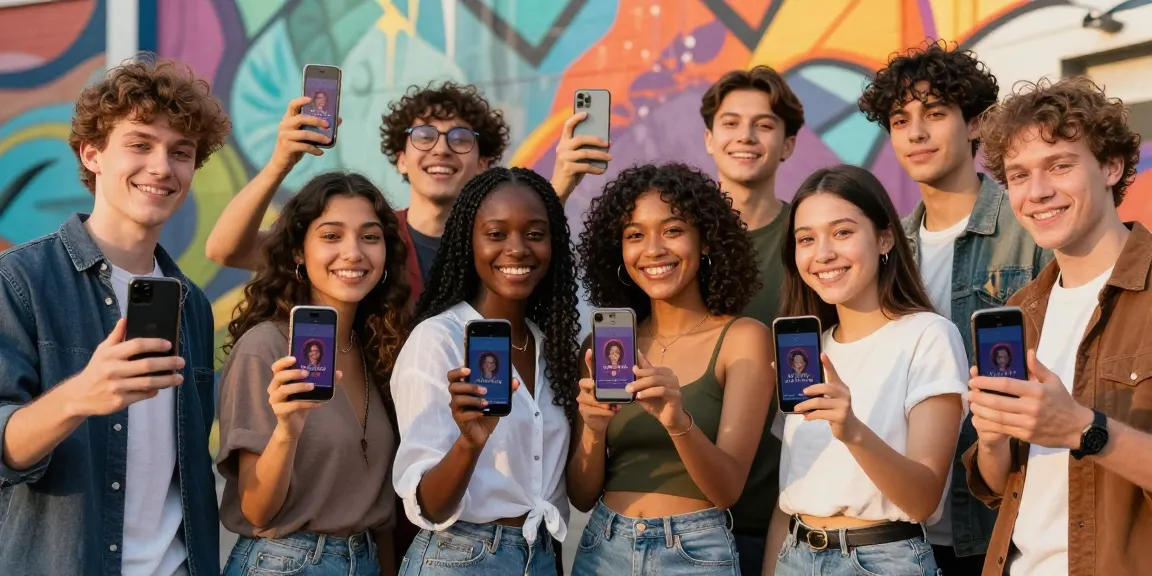
Sharing age estimation results on platforms like Instagram or TikTok can be a fun way to engage with friends and family. The viral nature of such challenges often encourages more people to participate, turning it into a lighthearted trend.
Future Trends in Age Estimation Technology
Advancements in AI and Machine Learning
The advancements in AI and machine learning are set to revolutionize age estimation technology further. As more sophisticated algorithms are developed, the accuracy and reliability of facial age estimation will likely improve, allowing for even better assessments.
Evolution of User Privacy Standards
As data privacy concerns grow, the industry will see a push towards stricter user privacy standards. Companies will need to be transparent about how they handle user data, ensuring trust and safety in using their applications.
What to Expect in 2026 and Beyond
Looking ahead to 2026 and beyond, we can expect even greater integration of age estimation technology into our daily lives. From enhanced features in social media platforms to potential applications in health and wellness sectors, the relevance of perceived age will continue to grow.
How Age Estimation Apps May Change
Age estimation apps may evolve to include augmented reality features, allowing users to see how they might look at various ages in real-time. This could provide not only entertainment but also educational insights into the aging process.